A home is more than a shelter; it is an expression of lifestyle and a sanctuary for well-being. In recent years, residential architecture has undergone a massive paradigm shift. The era of boxy, dark, and energy-inefficient buildings is behind us.
Today’s modern residential design focuses on three pillars: functional aesthetics, environmental sustainability, and spatial adaptability.
1. Designing with Natural Light and Ventilation
In tropical and subtropical climates like India, thermal comfort is a major challenge. Modern residential architecture prioritizes passive design strategies to minimize artificial cooling requirements.
- Orientation: Positioning the building to maximize southern and northern light while minimizing direct, harsh eastern and western sun.
- Window Placement: Using large, high-performance double-glazed windows that let in ample light but reflect heat.
- Cross Ventilation: Creating clear air passages through the layout. Courtyards, open stairwells, and strategically placed window openings create a chimney effect, drawing warm air up and out.
By integrating these features, we see a dramatic reduction in electricity bills—often cutting air conditioning usage by 20% to 30%.
2. Structural Flexibility: The Open Floor Plan
Traditional residential layouts divided homes into tight, single-purpose rooms (separate dining, separate kitchen, separate living room). Modern architecture leans heavily toward open floor plans.
+------------------------------------------+
|  Kitchen  =======>  Dining  =======> Living |
|  (Island)          (Shared)         (Relax)  |
+------------------------------------------+
Why Open Layouts Work
- Illusion of Space: Eliminating non-structural partition walls makes small urban plots feel expansive and airy.
- Social Connectivity: The person preparing meals in the kitchen remains part of the conversation in the living area.
- Adaptability: A corner of the living area can easily transform into a temporary home office or play area.
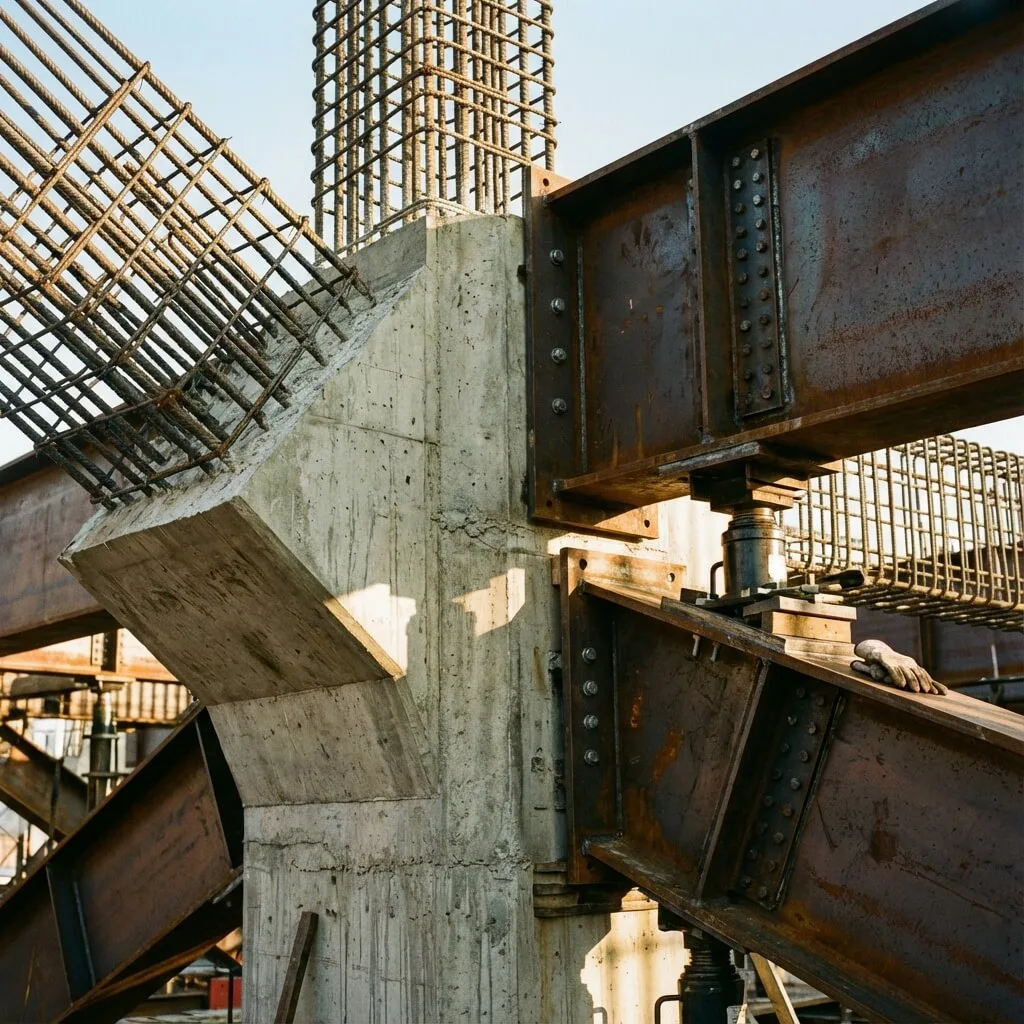
To support these large, open spans without columns blocking the view, structural engineers use advanced RCC framing techniques or steel beams to handle the bending moments and deflections safely.
3. Sustainable Materials & Construction
Green architecture is no longer a luxury; it is a necessity. Modern homes incorporate eco-friendly materials that reduce the carbon footprint and improve indoor air quality.
- Autoclaved Aerated Concrete (AAC) Blocks: These blocks have replaced traditional red clay bricks. They are lightweight (reducing structural dead load), highly insulating, and fire-resistant.
- Recycled and Local Materials: Using locally sourced stone, bamboo paneling, and fly-ash blended cement.
- Low-VOC Paints: Eliminating toxic off-gassing from interior wall finishes.
4. Biophilic Design: Bringing Nature Indoors
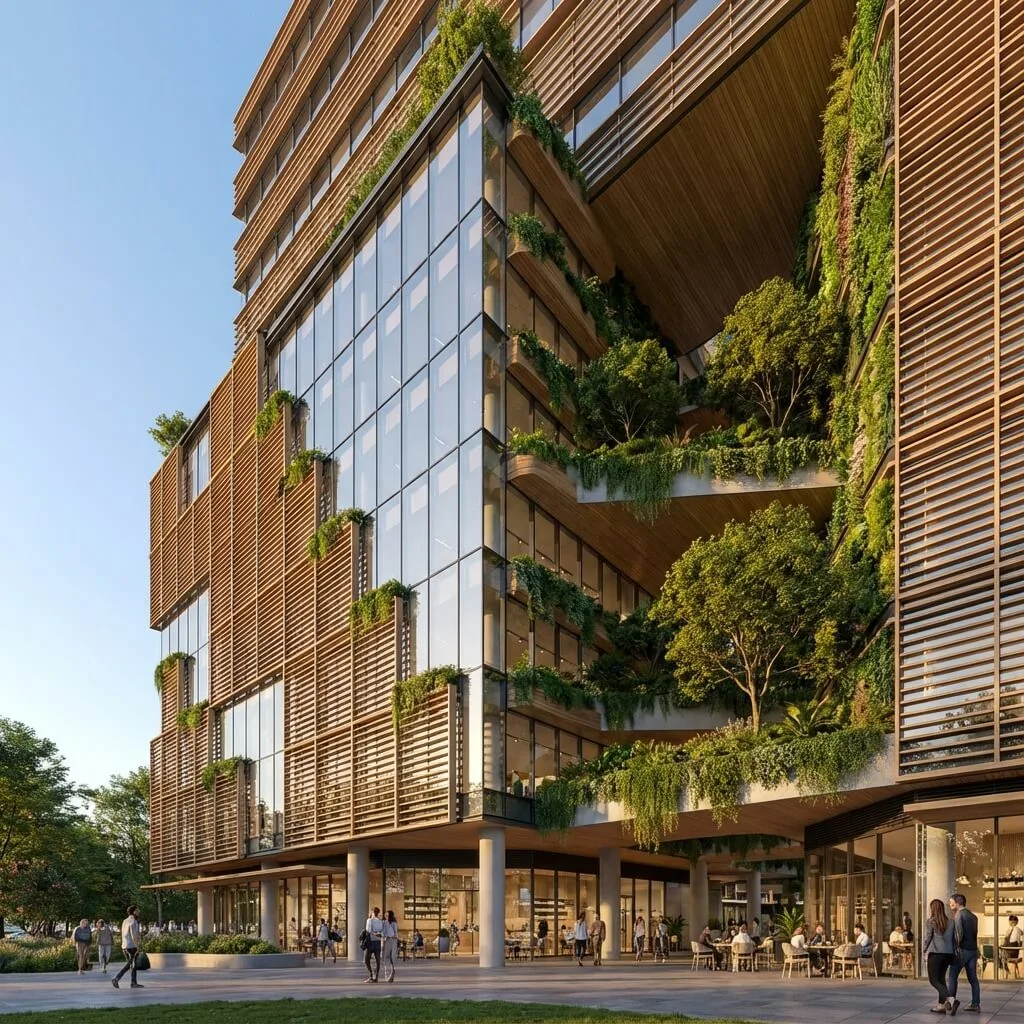
Biophilic design is the practice of connecting building occupants more closely to nature. In urban settings where land is scarce, this is achieved through:
- Vertical Gardens & Planter Boxes: Built directly into balcony railings or exterior facades.
- Courtyards & light wells: Inserting small open-to-sky pockets in the middle of deep floor plates.
- Roof Gardens: Converting concrete slabs into green spaces, which also serves as excellent insulation for the rooms below.
Conclusion: Crafting Your Dream Space
A well-designed home should elevate your daily life. At CivilTech & Design, we believe architectural beauty must be supported by structural integrity. Our team works collaboratively—architects and engineers side-by-side—ensuring that every design feature is structurally sound, cost-effective, and sustainably built.
Ready to build a home that matches your vision for the future? Browse our portfolio or get in touch with us to schedule a consultation.